
No products in the basket.

Functional office design is the consideration of aesthetics and creating an environment that enables productivity, collaboration, and well-being. As a workspace designer, your tips will allow your employees to create spaces that can provide for the various aspects of team culture and innovation while being functional up until the smallest aspects of motion or connectivity. For example, functional workstations provide employees the ability to easily transition between group and individual activities, supporting a full range of work types and preferences.
In addition, biophilic design (use of light, greenery, organic materials, et cetera) is known to increase morale and decrease stress significantly. Studies show that access to nature at work can boost cognitive function and creativity. Not only does this add interest to the physical workspace, but it also embodies a connection to the environment—something that is not only increasingly important in our digital age. In conclusion, providing a functional office requires creating a place that has value in which both the personnel and the company succeed. In this article, we’ll delve into five key tips to design the best workspace to support productivity, comfort, and collaboration, including some great options by Wakefield Office Furniture.
When considering your office space needs, you should want to look beyond just square footage. Think about how your teams work and how they communicate. Open spaces can engender creativity and collaboration, but they also engender distractions. By contrast, private offices provide a place for concentration but can stifle impromptu teaming. Finding that balance is essential; a blend of collaborative, open, and quiet spaces can help you accommodate different working styles and ensure every member of your team will be comfortable and productive in their environment.
Also care for the future. Your office requirements must change along with your company. Are you planning for growth? If so, it is essential to have flexibility in design. Adaptable modular furniture from Wakefield that can respond to changing needs at your company and reconfigure as your team grows or pivots can be a great help. Learning your distinct office space needs will help you develop an effective layout that increases productivity as well as employee flow.
Comfort should be the primary thing to check when making an office furniture selection. For example, a properly fitted and designed chair goes a long way in getting the job done as far as enhancing productivity is concerned, and that too without feeling fatigued during long work sessions. Consider features such as adjustable height, lumbar support, and breathable materials that provide conforming support to your body’s natural shape. And don’t overlook the power of a good desk; one that can be both sitting and standing can turn your workspace into a dynamic place that stimulates creativity and eliminates discomfort.
Also, look at the setup of your office to select your furniture. Open spaces could benefit from modular pieces that can easily be moved and reconfigured to accommodate collaborative tasks, while private offices might require more traditional setups that consider personal comfort in their design. For example, colours, soft lighting, or plants, which also have their own characteristics, can be more harmonious for your choice of furniture, creating a harmonious surrounding, thus making it easier for one to focus and relax. Just keep in mind that investing in comfort is not only physical support—it’s creating an environment where your mind can flourish!
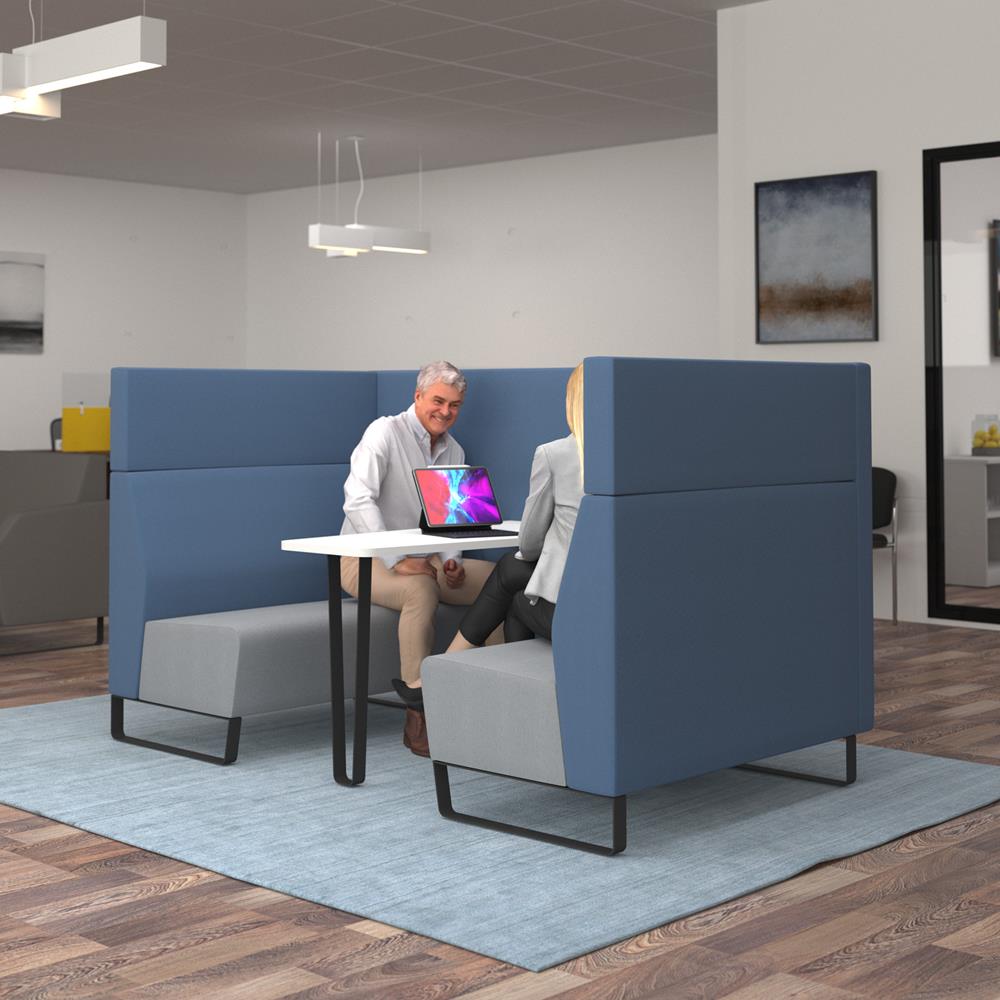
Clever layouts can allow even the tiniest of areas to thrive when it comes to office space planning. A proven way of doing this is to design an open floor plan for collaboration with well-placed private areas for concentrated effort. Modular furniture that can be reconfigured easily is a good option as well for adapting to changing sizes or design workflows. This capability boosts productivity but also creates community around employees.
Embed furniture with multiple purposes, like desks with inbuilt storage and convertible meeting tables. This helps you reduce clutter and make the most of every square inch. And vertical space should not be overlooked; wall-mounted shelves or pegboards can keep what you need within arm’s reach but out of the way, while also opening up precious desk real estate. A little bit of planning your layout, with the right piece of furniture in the right place, and suddenly you have an office that promotes both an individual approach to work and a collaborative spirit.
Advancements in technology provide excellent opportunities in the office for reducing unnecessary tasks and maximising productivity. The best of them is providing the proper smart office facilities. Not only do these systems serve to provide greater comfort, but they also work to reduce energy consumption and allow employees to work without distractions. Also, use of collaboration tools such as interactive whiteboards and video conferencing technology enables seamless communication among team members, whether in the office or working remotely.
An additional transformative aspect of this process would be the utilisation of ergonomic technology such as adjustable standing desks, along with more sophisticated keyboard designs that facilitate healthy postural habits. Creative control over technology choices can lead to a more balanced approach, including employee well-being—combating fatigue and boosting focus. Moreover, project management software integration in daily work processes ensures that tasks are assigned and progress is monitored, helping teams to remain on top of their game and accountable. The integration of such technological advancements not only makes the workspace more functional and fluid but also helps an innovation-friendly culture to disseminate in the organisation and helps employees to grow in an innovative environment.
The colours and materials used to design your office go a long way beyond the surface; they affect your mood, general productivity, and even employee health. Choose a colour palette that is not only aligned with your brand identity but incorporates psychological effects too. Soft blues and greens can promote calm and encourage focus and creativity, while vibrant yellows and oranges can invigorate spaces and encourage collaboration. Pair these hues alongside natural materials such as wood or stone, which offer warmth as well as a connection to the environment—something that is vital to today’s increasingly digital offices.
Then think about the durability and upkeep of the materials you choose. For example, laminate or treated fabrics can stand up to high-traffic areas and yet look beautiful. Walking the line between form and function is key; choose finishes that are not just beautiful but also practical for daily life. The right mixture of colours and materials can inspire productivity and collaboration among employees and help to create a more enjoyable work environment.
Consider designs with modular furniture that can be easily reconfigured for different sizes of groups and activities so that teams can tailor their environment according to their specific needs. Not only does this improve collaboration, but this part of the architecture is sure to lift morale by allowing employees control over their environment.
Adding technology to these collaborative zones can enhance their capabilities. These spaces, outfitted with interactive whiteboards, video conferencing technology, and charging stations, can support a hybrid model of in-person and remote collaboration. Moreover, integrating features like soundproof booths or quiet pods within these environments exemplifies balance by allowing teams to retreat and focus on work when necessary. In conclusion, creating collaborative spaces that are both productive and welcoming encourages a culture of teamwork that leads to higher productivity and innovation.
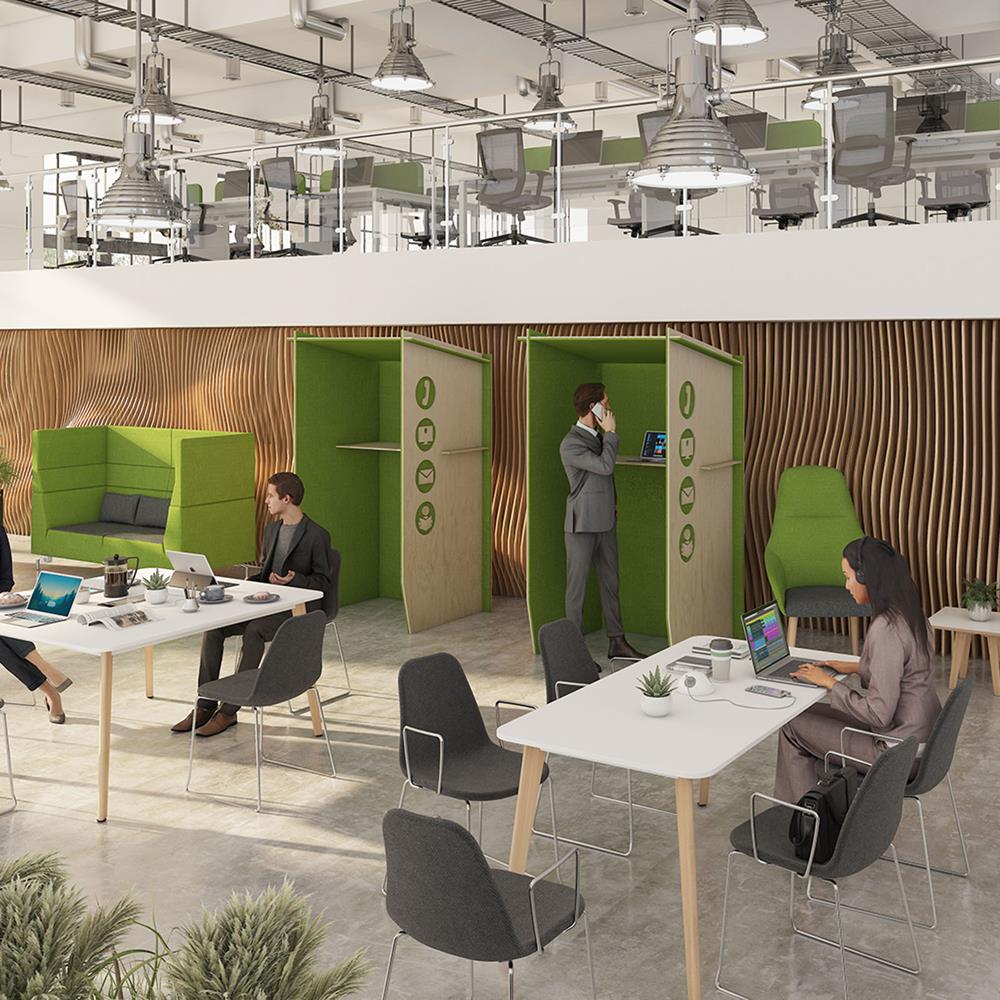
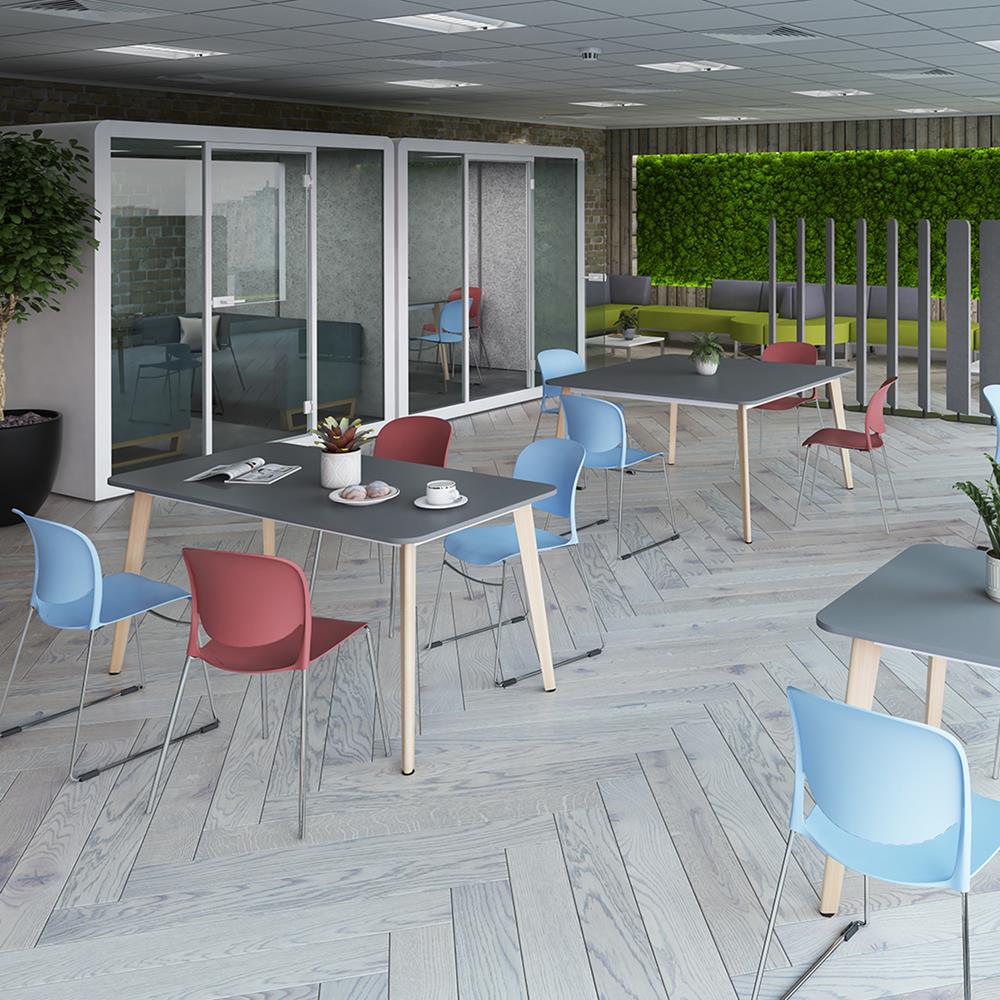
As work culture becomes increasingly hyperactive and fast-paced, exploring ergonomics is less an option and more a necessity that will result in a healthy workforce. By deliberately planning a well-designed workspace, the chances of musculoskeletal disorders, fatigue, and stress are greatly reduced, which enhances productivity and job satisfaction. This includes things like adjustable desks and supportive chairs that encourage good posture and movement throughout the day.
According to the research, one of the main advantages is that accessories such as sit-stand workstations give employees the possibility to supplement their work experience with features that suit their individual preferences and needs. The flexibility also helps reduce discomfort and increases energy levels, which keeps employees more involved and focused. Involving employees in the design process is critical, as their input can result in solutions that will be tailored to their needs, making it possible to create and foster a culture of health and well-being. It will result in less absenteeism and more retention, as ultimately when organisations put ergonomics first, they essentially show their employees that they care about them.
To successfully transform your space, this is not just about aesthetics but rather a complete approach of combining functionality and the well-being of employees. Start by evaluating your current layout and areas where teamwork can thrive. All in all, open spaces or flexible workstations are conducive to spontaneous brainstorming sessions that create and build on ideas. Choosing flexible furniture from Wakefield Office Furniture means that you can upgrade the furniture as needed to create a supportive environment for the way you and your team work.
And don’t underestimate the importance of natural light and biophilic design for productivity. Not only this, but positioning desks near windows or incorporating indoor plants can improve aesthetic appeal as well as promote mental clarity and reduce stress. Willingness to invest in ergonomic furniture that aligns with good posture can result in healthier work habits and reduced absenteeism. The result, as you place importance as much on physical comforts as on the aesthetics of your work environment, is an office that will drive innovation and engagement and a workplace that will act as a catalyst for your productivity and satisfaction.
Such consideration not only improves the overall employee experience but also encourages a culture of collaboration and creativity. Adding features including ergonomic reception chairs, natural light, and plants can help lower stress and increase energy and focus.
Additionally, their collaboration and communication tools help businesses adapt in a fast-paced environment by creating smoother processes between remote teams. Collaborative spaces, quiet zones, and other flexible workspaces have become common, making sure that everyone has their ideal working style and place to get work done.
Acknowledgment should also accompany regular feedback from employees regarding their workspace, as it guides consistent enhancement, strengthening their sense of ownership and belonging in the organisation. An inviting and functional office is one way to attract top talent and retain existing employees, creating a long-term intern success.
As you build this environment, consider the value of community-building activities that unite colleagues. Social events, wellness initiatives, and team-building exercises can foster relationships and a positive workplace environment. Investing in both the physical space of your organisation and the social fabric of your organisation sets in motion a cycle in which innovation and high morale become self-sustaining.
A thoughtfully crafted office can serve as a starting point for growth, innovation, and teamwork, setting your company up for success in a changing world.

Subscribe To Our Newsletter
Wakefield Office Furniture offers a wide range of Office Furniture, Storage and Desks to customers in Barnsley, Bradford, Castleford, Doncaster, Halifax, Huddersfield, Harrogate, Leeds, Pontefract, Rotherham, Sheffield and York.
