
No products in the basket.
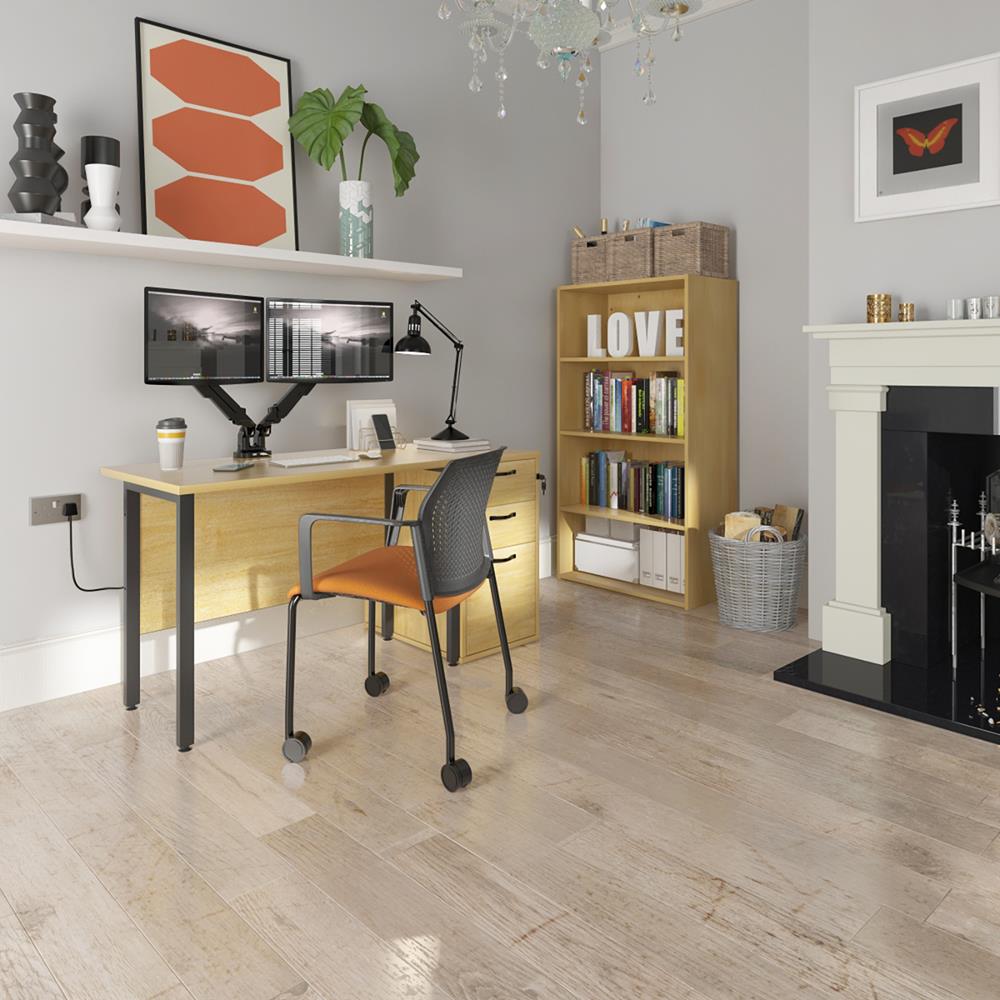
Let’s be honest, having a small office can be rather difficult, particularly if you want to maintain productivity without compromising comfort. The good news is that even the smallest area can be turned into a productive, clutter-free workspace that supports your growth and concentration with a few well-chosen pieces of furniture and creative organising techniques.
Multifunctional furniture is essential for truly improving small workplace spaces. Consider a wall-mounted shelf that can be used as a workstation or a stylish desk that can be used as a conference table. This makes the area lively by promoting flexibility of movement and interaction while also conserving valuable floor space. In a typically crowded area, multipurpose furniture enables spontaneous brainstorming sessions by encouraging creativity and teamwork.
Another innovative tactic is to use inclined design features, such hanging planters or stunning art pieces. In addition to adding visual interest, this technique creates the illusion of height, which enlarges and brightens the space. Additionally, movable furniture that can be readily repositioned offers flexibility, enabling businesses to customise their arrangement to meet daily demands or project requirements. By emphasising flexibility and reconsidering conventional office layouts, small areas could develop into vibrant hubs of creativity and efficiency.
Smart furniture selection is essential for converting small office spaces into useful, inviting workspaces. Choosing furniture with the appropriate scale and proportions can greatly influence how space is perceived.
Office space appears larger and more spacious thanks to lightweight, modular designs which enable an open atmosphere and are easy to assemble. Wall-mounted desks or cabinets with shelves can save floor space while maintaining accessibility. By carefully choosing furniture, businesses may create a creative yet functional work environment that reflects their corporate values and fosters employee well-being.
In order to make the most of the limited workplace space, space-saving desks are recommended because they come in a wide range of forms and features that accommodate various needs and styles. One creative design that may turn any corner into a useful workplace is the wall-mounted desk, which folds away when not in use.
Built-in shelves or compartments are typical in these workspaces, which creatively maximise vertical space while reducing clutter. If you want something more traditional, little L-shaped desks can be just as powerful: They fit into corners and provide a lot of surface area without consuming a lot of space.
The multipurpose desk is another attractive choice; it combines work surfaces with other amenities like sitting or storage. Desks that can be used as conference tables or dining tables allow for a smooth transition between work and personal life, maximising functionality without sacrificing design. In addition, consider modular desks, which are suitable for the changeable nature of modern workspaces because they let you change layouts to meet your evolving needs. By using these innovative concepts, you may create an office environment that represents your individual style and increases productivity.
Creative storage solutions may turn even the smallest areas into orderly havens aiming for a clutter-free workspace. Apart from its primary purpose, consider functional furniture, which contains hidden storage. By keeping the necessities close at reach, writing desks with built-in shelves or drawers help minimise clutter. Opt for shelving models with vertical storage so that you can easily transition them as your office expands and arrange them according to your unique needs.
Another creative tip is to use decorative storage boxes and baskets that match the design of your home office or physical office. These cool containers are the ultimate organisational tool that allow you to keep everything from office supplies to paperwork neat without skimping on accessibility. Also, high spaces can use pegboards or wall organisers to turn walls into functional pieces of art that not only display elements of your personal style but also provide easy access to even daily items.
In small office settings, flexible seating arrangements can change the nature of working together by encouraging team members to communicate and be creative. Adjustable couches, stackable seats, and adjustable tables are examples of furniture that may be moved around to accommodate different project needs or team sizes. This set up dissolves the conventional barriers that are frequently present in strict seating arrangements and allows spontaneous brainstorming sessions and a sense of togetherness.
Offering a selection of seating options — standing desk for quick check-ins and bean bag chairs for informal chats — meets different working preferences and styles. Not only does this increase comfort, but it also makes the office more lively, inviting, and stimulating. As teams move from working alone to working together, these arrangements can encourage engagement, creativity, and eventually productivity. Small offices may use every square foot of their space and create a vibrant, team-oriented environment by implementing this technique.
The right colour palette not only adds to the aesthetic of your small office space, but it can also have a significant effect on mood and productivity. Colour schemes which are lighter in tone, such as pastels, soft whites, or muted shades appear to make a room feel bigger than it is, and will instantly lend even the smallest areas a sense of openness and space. Accents should be bold but not distracting: A stunning piece of art or a few colourful cushions can add pops of colour without being overwhelming.
Consider colour psychology when selecting your palette. Colours such as blue and green, which are said to promote concentration and relaxation, are ideal for offices.
Warm colours like orange and yellow, on the other hand, can stimulate enthusiasm and creativity, making them ideal for brainstorming spaces. Incorporating these hues into your furniture selections, such as sleek workstations or multipurpose storage, will improve visual coherence and foster a sense of unity in your work area. In the end, a well-chosen colour palate serves as both a backdrop and an inspiration, making your little workspace a vibrant hub of innovation and output.
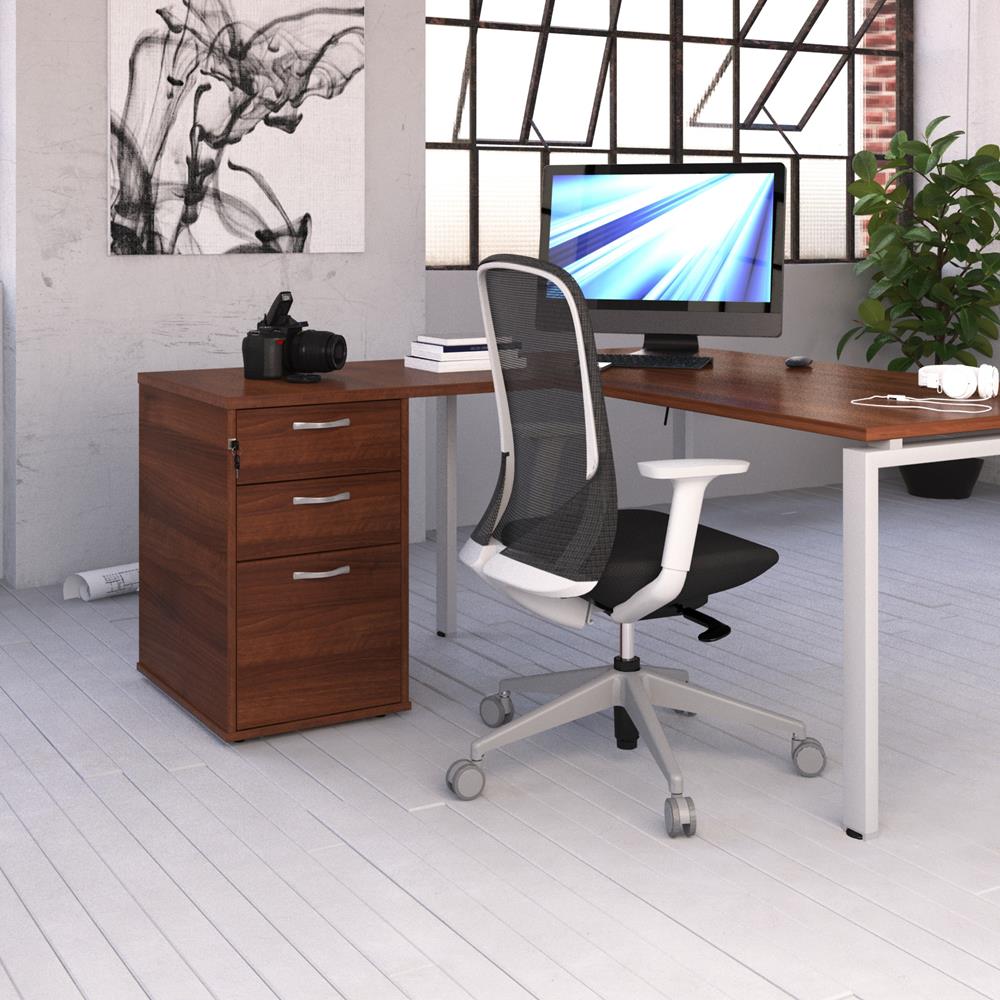
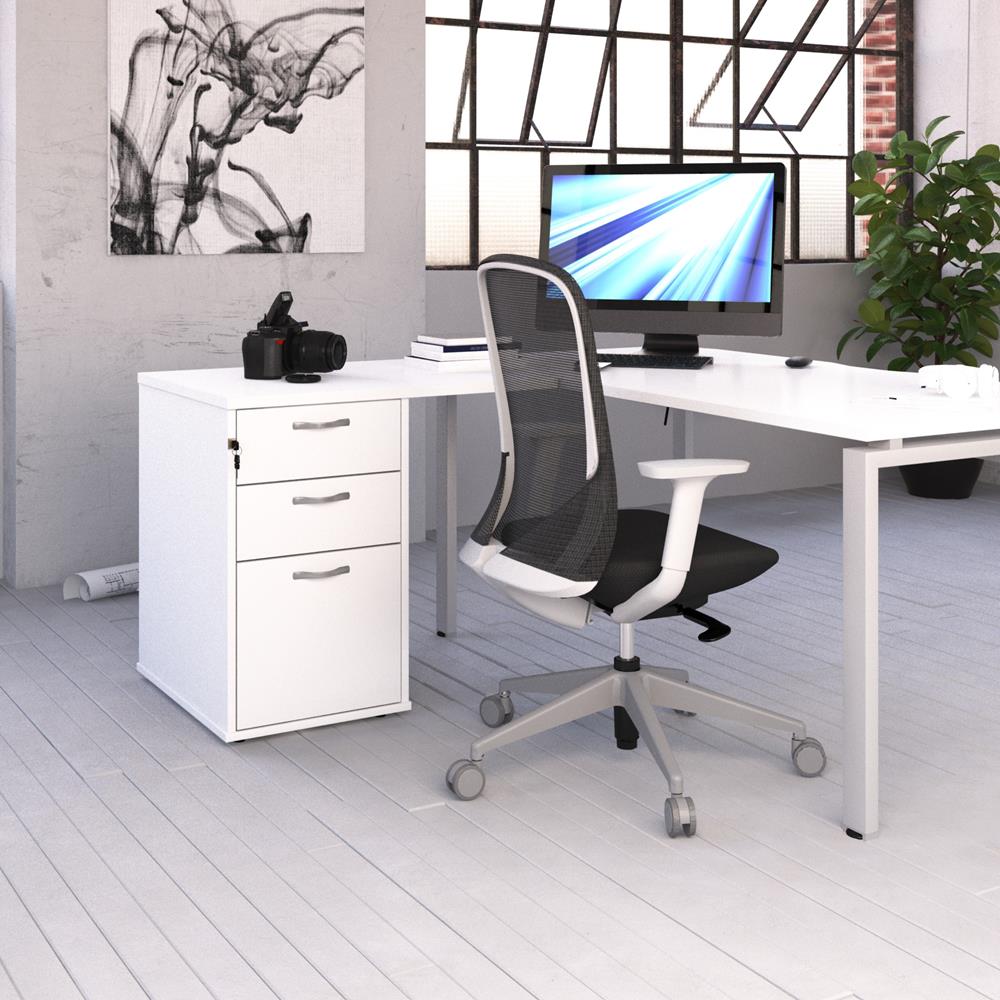
Innovations in furniture solutions that maximise utility without sacrificing aesthetics is important to create a productive workspace in small offices. Consider furniture designs that can be repurposed or easily moved to where they’re most needed. Furniture such as height adjustable desks that allow people to operate in a number of working styles and keep them moving through the day enhance productivity. Additionally, including multi-use items like a storage coffee table can help maintain essential organisation while allowing for extra floor space.
Creating an organised, functional and comfortable workspace supports focus and efficiency, which in turn helps to improve productivity in a small office. Employees are able to keep their mind clear and be organised when the space-saving furniture are being utilised and the area is kept clutter free. Well-positioned lighting and ergonomic furniture help create comfort, which helps fight fatigue and facilitates an active posture. Streamlining workflows: In addition to effective communication, leveraging technology tools help in streamlining workflows. Add natural elements or personalised touches to boost morale and creativity. With careful design, purposeful layout, and meaningful materials, small offices can be a haven for high productivity and a good working environment, which will benefit both the employees and the business.

Subscribe To Our Newsletter
Wakefield Office Furniture offers a wide range of Office Furniture, Storage and Desks to customers in Barnsley, Bradford, Castleford, Doncaster, Halifax, Huddersfield, Harrogate, Leeds, Pontefract, Rotherham, Sheffield and York.
